
Workplace Accident Prevention: Why H&S Compliance Matters for UK Employers
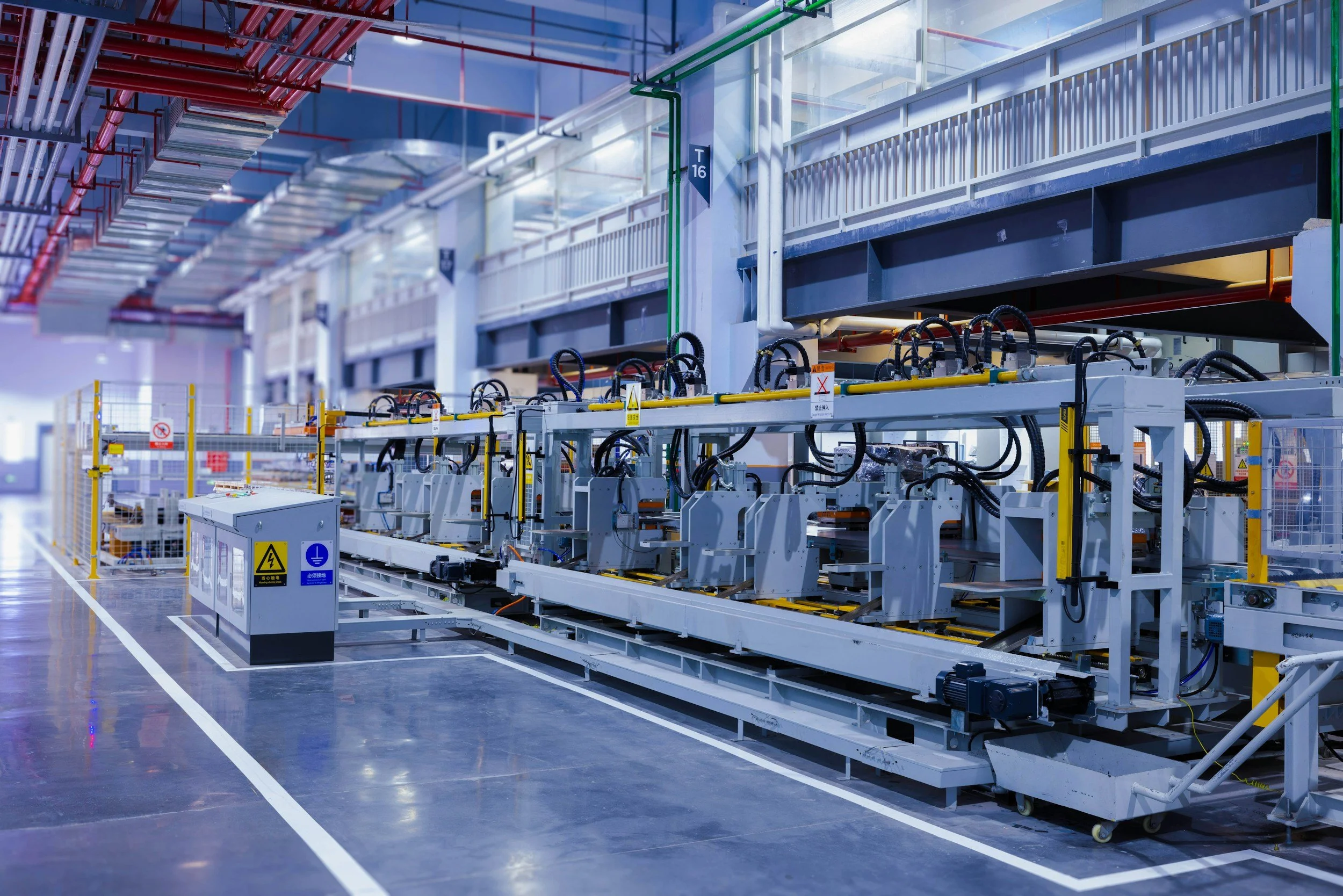
Preventable Tragedy: Worker Killed in Unguarded Machinery Incident
Another prosecution and another life lost. And once again, it comes down to basic machinery safety controls not being in place.
A 45-year-old worker, David Lockwood, tragically died after becoming entangled in a wire drawing machine at a manufacturing site in Penistone, South Yorkshire.
Following an investigation by the Health and Safety Executive (HSE), the company Stanley Wire Limited admitted breaching health and safety law and was fined £140,000, plus costs, at Sheffield Magistrates’ Court.
Unfortunately this tragedy was entirely preventable.
What Went Wrong?
The HSE investigation found several fundamental failures:
No suitable or sufficient risk assessment for the machine
No robust safe system of work
Dangerous moving parts left unguarded
No interlocks, fixed guarding, or presence-sensing devices
Inadequate training and supervision
No competent health and safety oversight
The machine, a gravity block wire drawing and recoiling machine, had exposed rotating components. Industry-standard controls that would physically prevent access to dangerous parts simply weren’t in place.
The Hard Truth
Most machinery fatalities follow the same pattern:
Production pressure
Informal working practices
Guards removed or never installed
“We’ve always done it this way”
Until something goes wrong. In this case, suitable guarding and control measures were introduced after the incident, proving they were achievable all along.
What Businesses Should be Asking Themselves
If you operate machinery, ask yourself:
Are all dangerous parts securely guarded?
Have risk assessments actually considered entanglement and access during operation?
Are safe systems written down and verbally explained?
Are supervisors confident enough to stop unsafe practices?
Because when the HSE investigate, they don’t just look at the machine. They look at management decisions.
The Bigger Picture
Under the Provision and Use of Work Equipment Regulations (PUWER), employers must ensure machinery is:
Suitable for the task
Properly maintained
Fitted with appropriate safeguards
Used by trained and competent people
Failure in any one of those areas can have devastating consequences.
Machinery safety doesn’t have to be complicated, but it does require discipline.
If you’re unsure whether your machinery safeguards would stand up to scrutiny, it’s better to review it now, not after an incident.
Key Points
A guard costs far less than a prosecution.
A proper risk assessment costs far less than a fatality.