

HSE is Shutting Down Engineered Stone Fabricators — Here's What's Happened So Far
Back in May 2026, HSE told the engineered stone industry that dry cutting was over. Since then, inspectors have followed through: at least seven fabricators across England have now been served prohibition notices, stopping work on the spot after visits found inadequate controls against silica dust. This article looks at what's actually happened during the enforcement campaign so far, and what fabricators and builders need to have in place before an inspector arrives.
Do You Need a Defibrillator? What the New First Aid Standard Really Says
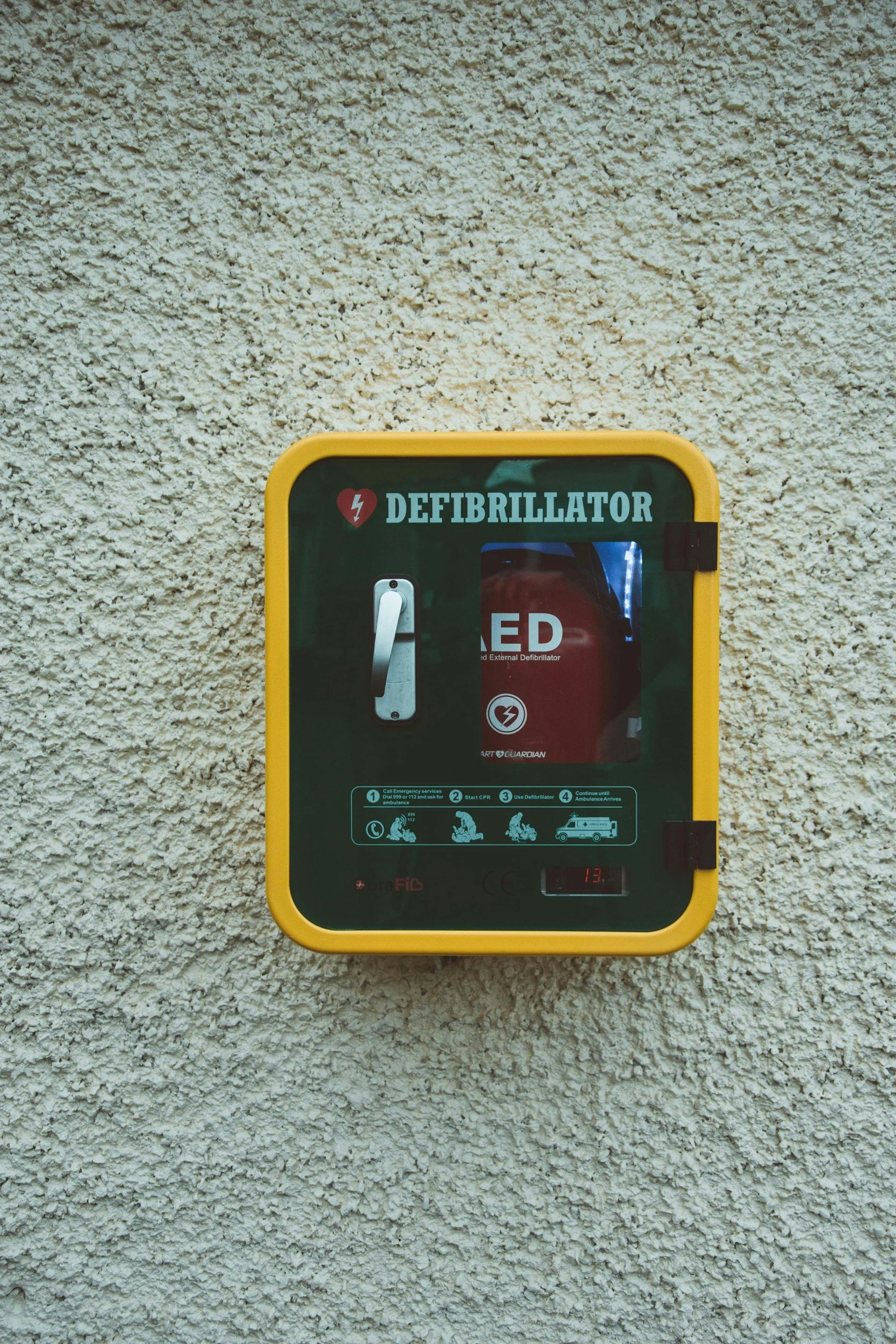
From 30 April 2026, an amendment to the British Standard for workplace first aid kits, BS 8599-1:2019+A1:2026, introduced a new expectation: any site with five or more people present should have a defibrillator retrievable within two minutes. It's not a legal requirement, but it does raise the bar for what “adequate” first aid provision looks like. This article explains what's changed and what employers should be doing about it.

Falls From Height: Why 2026 is the Year to Get the Basics Right
Falls from height remain the single biggest killer in UK construction, responsible for 53% of fatalities in 2024/25. With No Falls Week 2026 putting the issue back in the spotlight, an HSE consultation on work at height just closed, and the Building Safety Regulator now operating independently, this article looks at what's changed and what site teams should be checking right now.

Proposed RIDDOR Changes 2026: What Health and Safety Leaders Need to Know
The HSE launched a significant review of workplace incident reporting in April 2026, with the consultation closing on 30 June 2026. The proposal expands reportable occupational diseases from six to nineteen and modernises the reporting regime for the first time in over a decade.

Why we love Working in Health and Safety
We love health and safety because it keeps people safe without the red tape. We bust the myths and find a safe way to say yes, not an easy way to say no.

126 Workers Died at Work Last Year: What the New HSE Statistics Really Tell Us
The HSE has published its provisional workplace fatality figures for 2025/26. The headline is reassuring: Great Britain remains one of the safest places in the world to work. But look past the headline and there's a trend worth every employer's attention.
First-Ever Prohibition Notice Against an Occupational Health Provider: What It Means for UK Employers
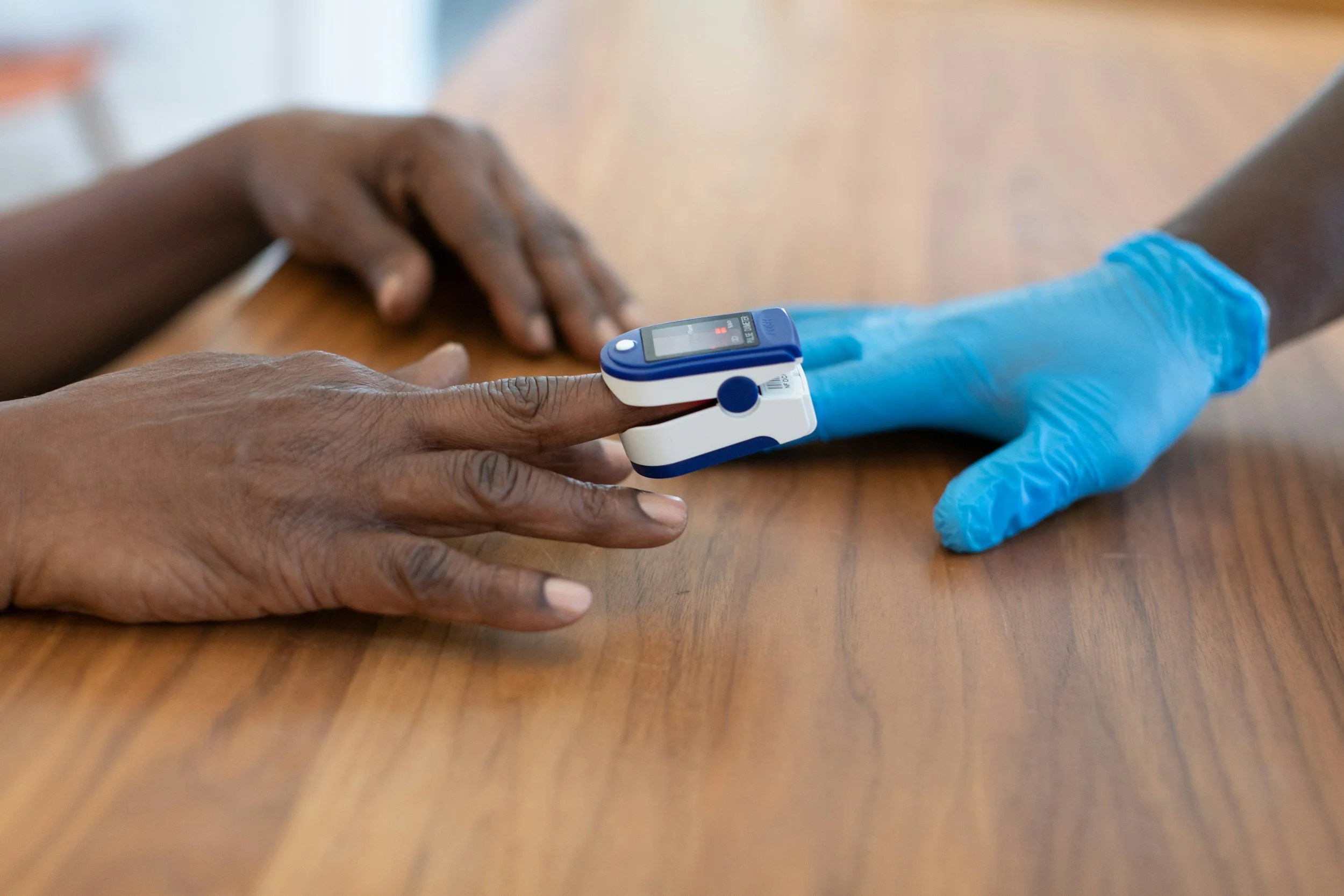
The HSE has issued its first ever Prohibition Notice against an occupational health provider, after inspectors found health surveillance was being carried out by staff who were unqualified, untrained and unsupervised. If you commission occupational health for your workforce, it's worth a read.

Driving for Work: The Hidden Risk That's Finally Getting a Spotlight
In January 2026, the Government published its first comprehensive Road Safety Strategy in over a decade, with a bold target to cut road deaths and serious injuries by 65%. With around one in three UK road fatalities involving someone driving for work, it's a wake-up call for every employer including those with so-called grey fleet drivers across Hertfordshire, Bedfordshire and beyond.

Beat the Heat: What You Need to Know This Summer
With the HSE urging employers to act now, heat is firmly on the agenda this summer. We look at your legal duties, what practical steps make the biggest difference, and share a handy factsheet your team can keep to hand when the temperature rises.

Is Your Desk Trying to Tell You Something?
With 511,000 UK workers suffering work-related musculoskeletal disorders (MSDs) in 2024/25, and home and hybrid working bringing kitchen tables firmly within scope, the Health and Safety (Display Screen Equipment) Regulations 1992 deserve a fresh look. Here's what UK employers including those across Hertfordshire, Bedfordshire and Cambridgeshire need to know about DSE assessments, workstation setup, and the real legal and financial risks of getting it wrong.

The Silicosis Crisis – Why The HSE'S New Guidance is a Game Changer For Worker Safety
The Health and Safety Executive has announced a major package of measures to protect workers from engineered stone dust, with new guidance declaring dry cutting unacceptable and confirming water suppression as a legal requirement. This landmark guidance responds to silicosis deaths among young workers, with enforcement measures including over 1,000 inspections already underway.

From Factory Floors to Psychosocial Risk: How UK Health and Safety Has Evolved
A retrospective look at how UK health and safety has transformed from the industrial revolution to today's landmark legislation covering the Health and Safety at Work Act 1974, the shift to risk-based thinking, and the modern focus on mental health and wellbeing.

Why Psychosocial Hazards Matter
Mental health at work is no longer a 'nice-to-have' it's a legal and moral imperative. The Health and Safety at Work etc. Act 1974 requires employers to protect workers' physical and mental wellbeing. Recent HSE guidance on psychosocial hazards provides a framework for identifying and controlling stress-related risks.

Carcinogen Exposure Limits
Recent HSE guidance clarifies and strengthens workplace exposure limits for carcinogenic substances under the Control of Substances Hazardous to Health (COSHH) regulations. Key changes include revised Workplace Exposure Limits (WEL) for hazardous substances, heightened focus on asbestos in older buildings, and new mandatory monitoring requirements for silica dust in manufacturing.

RIDDOR Consultation 2026: What Changes Are Coming to Workplace Injury Reporting?
The Reporting of Injuries, Diseases and Dangerous Occurrences Regulations (RIDDOR) are getting a makeover. The consultation (open until 30 June 2026) covers both legislative changes and practical improvements to how we report workplace incidents in the UK.

Earth Day - 22nd April 2026
Every year on 22nd April, Earth Day reminds us of the importance of protecting our planet.

Martyn’s Law - Terrorism Safety for Public Venues
Martyn’s Law, officially known as the Terrorism (Protection of Premises) Act 2025, is a piece of UK legislation that is being introduced in stages to improve public safety at venues where large numbers of people gather.

Fire Safety (Residential Evacuation Plans) (England) Regulations 2025
The Fire Safety (Residential Evacuation Plans) (England) Regulations 2025 came into force on 6 April 2026.
IOSH Managing Safely
IOSH Managing Safely is a globally recognised health and safety qualification designed for managers, supervisors, and anyone who holds responsibility for other people in the workplace. It is widely regarded as the most practical and accessible route to formal safety training for those in leadership roles across all industries.
Managing Heat Risk at Work: What UK Employers Need to Know in 2026
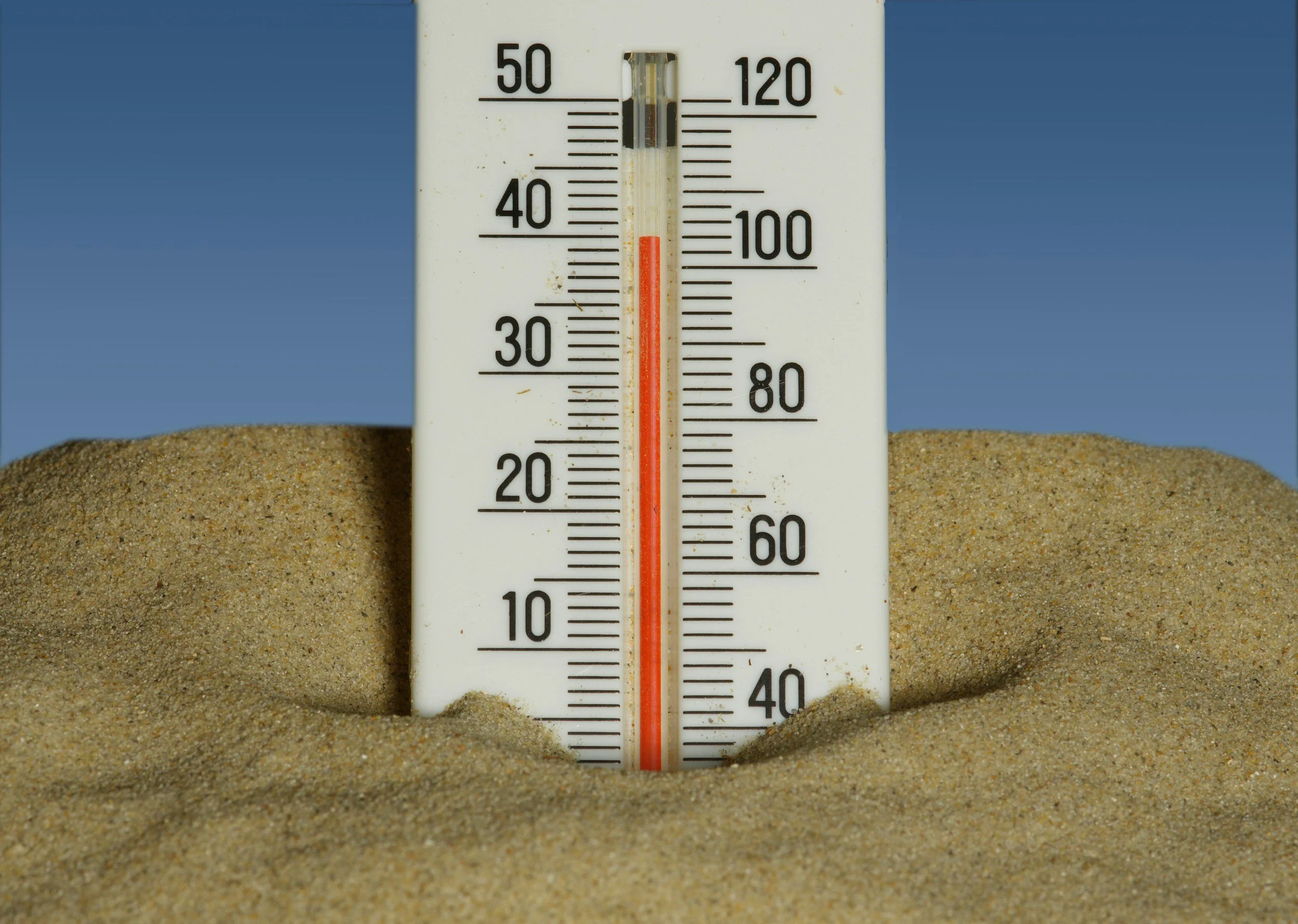
As UK summers become hotter and more unpredictable, heat risk in the workplace is emerging as a critical health and safety issue.