
Falls From Height: Why 2026 is the Year to Get the Basics Right
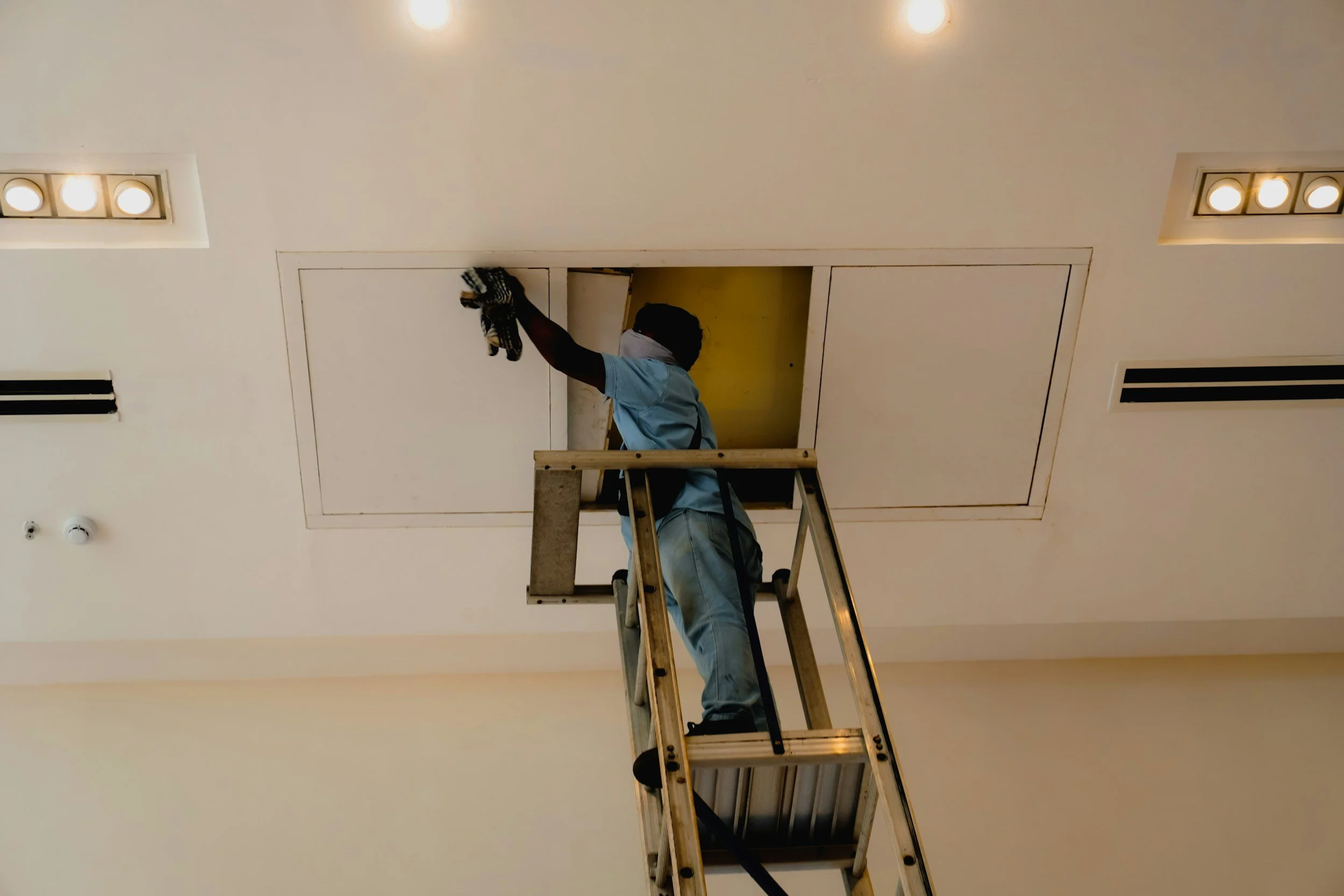
If you work in construction, you'll already know that falls from height are the industry's oldest and most stubborn problem. What might surprise you is just how stubborn: HSE figures show falls from height accounted for more than half of all construction worker fatalities in 2024/25. Not machinery, not vehicles, not hazardous substances — ladders, roofs, scaffolds, and openings that should have been protected.
That's exactly why No Falls Week 2026, run by the No Falls Foundation, has struck such a chord this year. It's a timely nudge to every contractor, supervisor and site worker to stop and check: are our controls actually working, or have they just become part of the furniture?
What's changed this year
Alongside the awareness campaign, HSE ran a consultation on work at height guidance, which closed on 30 June 2026. It's part of a broader push to modernise how the Work at Height Regulations 2005 are applied on the ground, with a particular focus on the routine tasks that keep catching people out: roof work, ladder use, maintenance jobs, stairwell openings and fragile surfaces. Recent prosecutions tell the same story again and again, a worker falling through an unprotected floor opening, temporary works that weren't properly planned, edge protection that wasn't maintained.
There's also a bigger structural change worth knowing about. From January 2026, the Building Safety Regulator became a fully independent body, moving out of HSE and sitting directly under the housing department. This is part of the wider reform programme following the Grenfell Tower Inquiry, and while its remit is broader than falls prevention alone, it signals just how seriously government now takes the planning, oversight and accountability side of construction safety — including the temporary works and structural decisions that so often sit upstream of a fall.
What good practice actually looks like
None of this changes the fundamentals, but it's a good moment to revisit them:
• Plan before you climb. Every job at height needs a plan that's proportionate to the risk, not a generic method statement pulled off a shelf.
• Prioritise collective protection. Guardrails, edge protection and covered openings should always come before personal fall-arrest equipment, not instead of it.
• Don't let temporary works become permanent blind spots. Appoint a Temporary Works Coordinator, keep a live register, and make sure design briefs and checks are actually documented — not just filed away after the event.
• Watch the “low and routine” jobs. A fall doesn't need to be from ten storeys to be fatal; two to three metres is enough. It's often the quick, familiar tasks — nipping up a ladder, stepping onto a fragile roof sheet — where complacency creeps in.
• Supervision matters as much as kit. A worker with the right harness but no rescue plan, or no one checking the work as it happens, is still exposed.
The takeaway
Falls from height are almost always preventable, and the enforcement record shows HSE inspectors know exactly where to look. If it's been a while since you walked your site with fresh eyes on work at height and temporary works, No Falls Week 2026 is as good a prompt as any to do it now, before the next inspection or the next incident does it for you.