
Carcinogen Exposure Limits
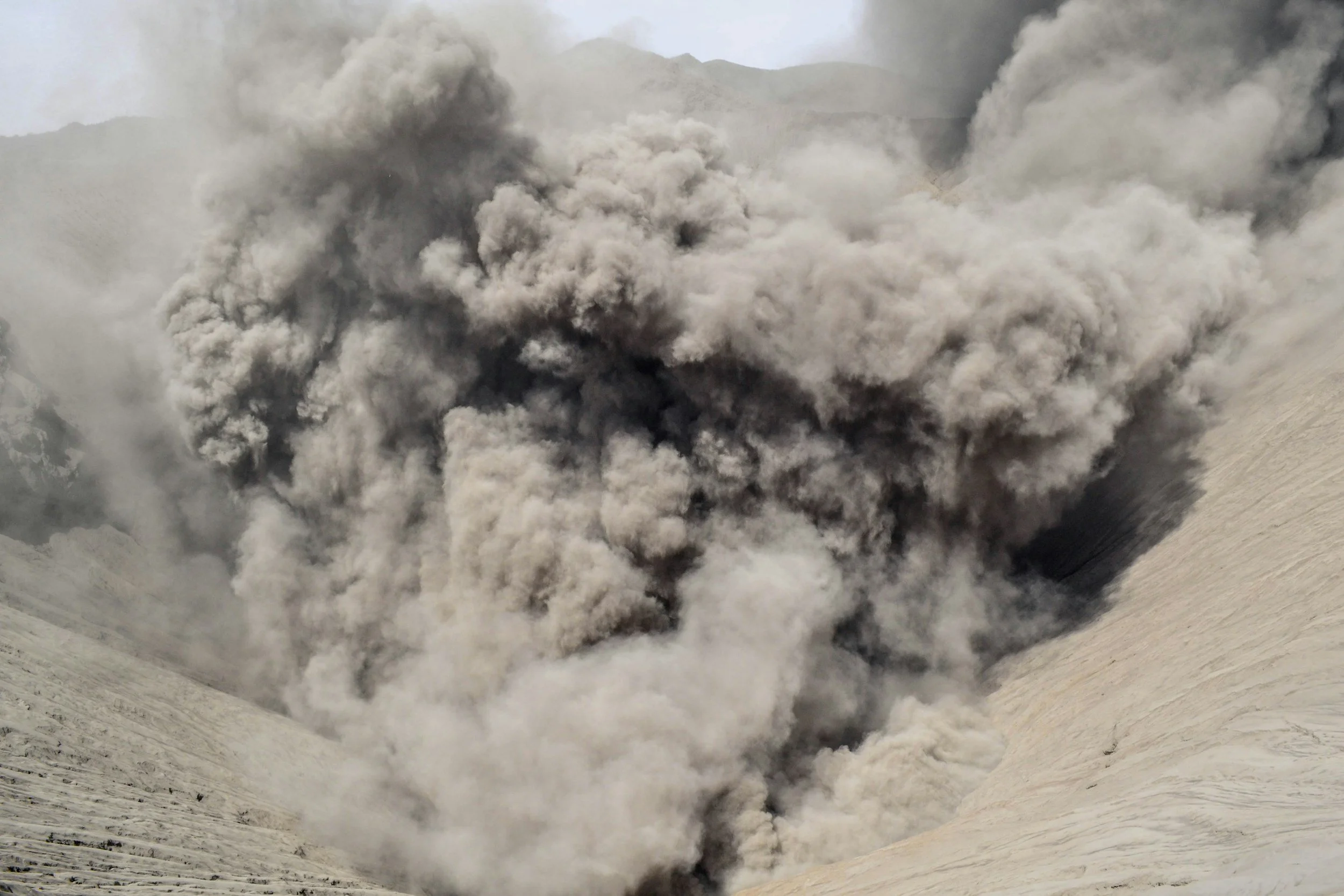
In early 2026, the HSE issued updated guidance on occupational exposure limits for carcinogenic substances, signalling a regulatory shift towards stricter protection. The Workplace Exposure Limit (WEL) framework – which sets maximum allowed airborne concentrations of hazardous substances – has been revised for several key substances commonly found in manufacturing environments. This update reflects both evolving scientific evidence and alignment with forthcoming EU proposals.
Key Changes to Watch
Asbestos exposure limits: The long-standing asbestos fibres limit remains at 0.1 f/cm³, but the HSE is intensifying enforcement in legacy premises. Buildings constructed before the 1990s are now a compliance priority, particularly where renovation or maintenance work is planned.
Crystalline silica dust: New mandatory monitoring thresholds now require 8-hour Time-Weighted Average (TWA) documentation for all sites where grinding, cutting, or drilling occurs. The limit remains 0.025 mg/m³, but monitoring is non-negotiable.
Welding fumes: Changes to manganese fume exposure have introduced more stringent limits in some contexts, requiring updated risk assessments for automotive, heavy manufacturing, and shipbuilding sectors.
Enforcement posture: The HSE has signalled that carcinogen compliance will be a focal point in workplace inspections through 2026–2027, with particular attention to dust control measures and health surveillance programmes.
What Manufacturers Must Do Now
1. Audit Your COSHH Assessments
Review your existing COSHH assessments to confirm they align with the updated WEL guidance. Pay special attention to substances with revised limits. If your assessments are older than two years, now is the time to commission a fresh assessment. Ensure all risk control measures (engineering controls, PPE, work procedures) are documented and current.
2. Implement Dust Monitoring Protocols
If you haven't already, establish a monitoring programme for airborne dust. This should include periodic air sampling (at least annually) in high-risk areas, calibration of equipment, and documented records retained for at least 40 years per occupational health guidance. Consider engaging an occupational hygiene specialist to design and execute the monitoring plan.
3. Strengthen Engineering Controls
Invest in dust suppression at the source: local exhaust ventilation (LEV) systems, sealed enclosures, or process modifications. PPE (respiratory protection) should be a last resort, not the primary control. Routine maintenance of ventilation systems is essential, the HSE frequently finds non-compliant systems that haven't been serviced or inspected. Budget for LEV thorough examination every 14 months by a competent person.