
The Silicosis Crisis – Why The HSE'S New Guidance is a Game Changer For Worker Safety
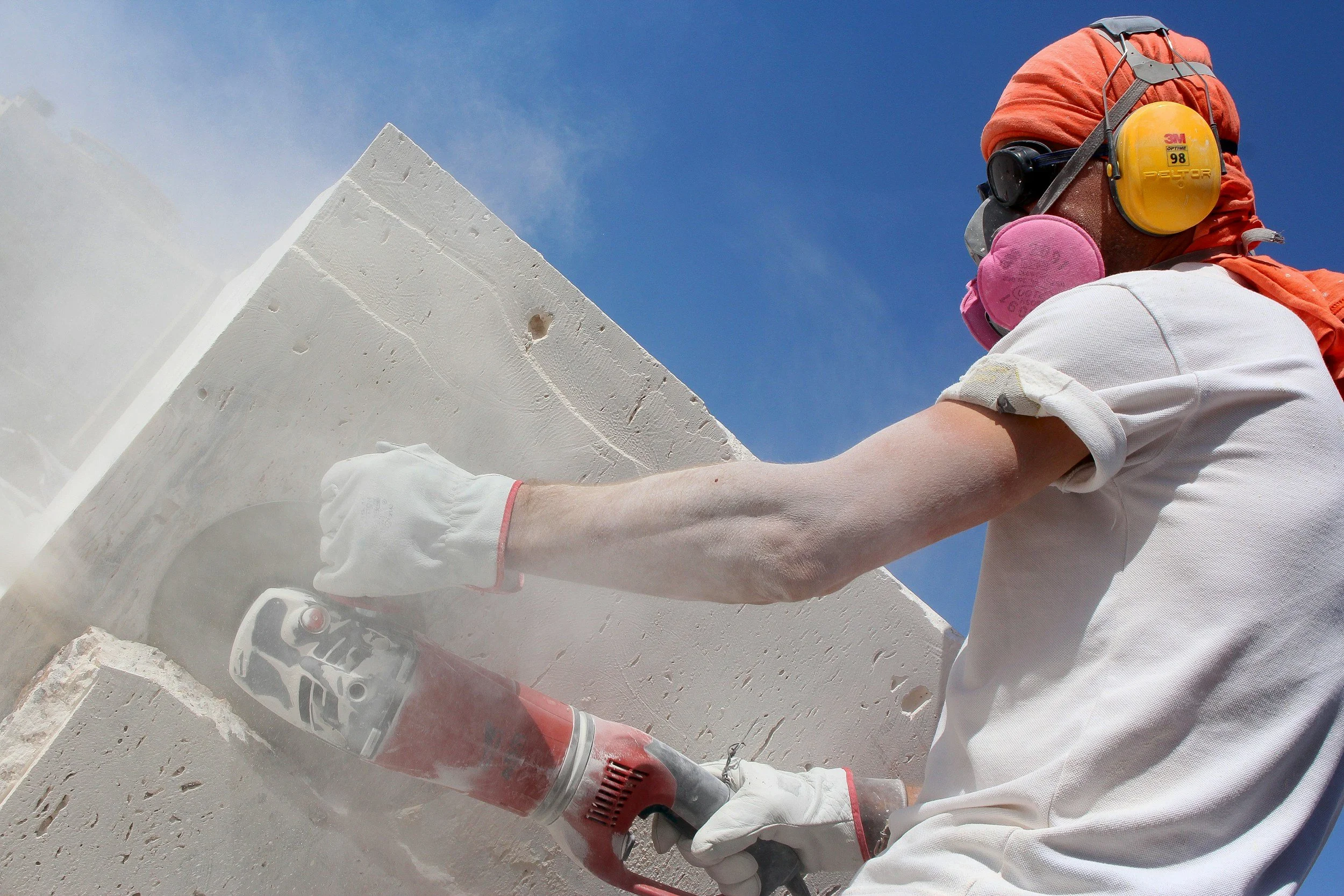
Silicosis is hitting the headlines, and frankly, it's about time. The Health and Safety Executive (HSE) has just announced landmark guidance in response to a worrying trend: young workers are developing silicosis at an alarming rate. This is a crisis that demands our immediate attention, and the new regulatory response signals a fundamental shift in how we approach respiratory hazard management in the workplace.
So what's changed?
Well, the HSE has been crystal clear on one thing: dry cutting is now declared unacceptable. Full stop. If you're working with engineered stone, natural stone, or any silica-containing materials, water suppression is no longer optional—it's a legal requirement. This is big news for contractors, fabricators, and anyone involved in stone work across the UK.
The tragedy behind these rules is sobering. We're seeing deaths and serious illness among workers in their twenties and thirties, people who should have decades of career ahead of them. Many of these workers didn't even realise they were being exposed to dangerous silica dust. The HSE is determined this won't happen on their watch, which is why they're ramping up enforcement measures with over 1,000 inspections already underway.
What does this mean for your business?
If you're in construction, stonemasonry, fabrication, or any industry involving cutting or processing of silica-containing materials, you need to review your current practices immediately. The guidance is unambiguous: water suppression equipment isn't a "nice-to-have" it's a fundamental control measure. Dry cutting shortcuts could land your company with serious enforcement action, hefty fines, and reputational damage that's incredibly difficult to recover from.
The new occupational health standards also emphasize the importance of health surveillance. Workers exposed to silica dust need proper medical monitoring to catch early signs of disease. This is about protecting lives, not just ticking compliance boxes. Employers are increasingly expected to demonstrate a genuine commitment to worker wellbeing through tangible preventative measures.
What's particularly encouraging about this HSE crackdown is that it reflects a broader shift in UK health and safety legislation toward more protective standards. The 2026 updates have reinforced that mental health and physical wellbeing are equally important, and respiratory hazard management sits right at the heart of workplace safety culture.
If your organisation hasn't already reviewed your silica dust procedures, now is the time. Invest in proper water suppression systems, train your teams thoroughly, and ensure regular maintenance and monitoring. The cost of compliance is far less than the cost of defending a prosecution or the human cost of preventable illness and death.
The HSE's new guidance isn't just about regulation; it's about protecting human lives and recognizing that our workers deserve to go home healthy every single day.