
What actually happened
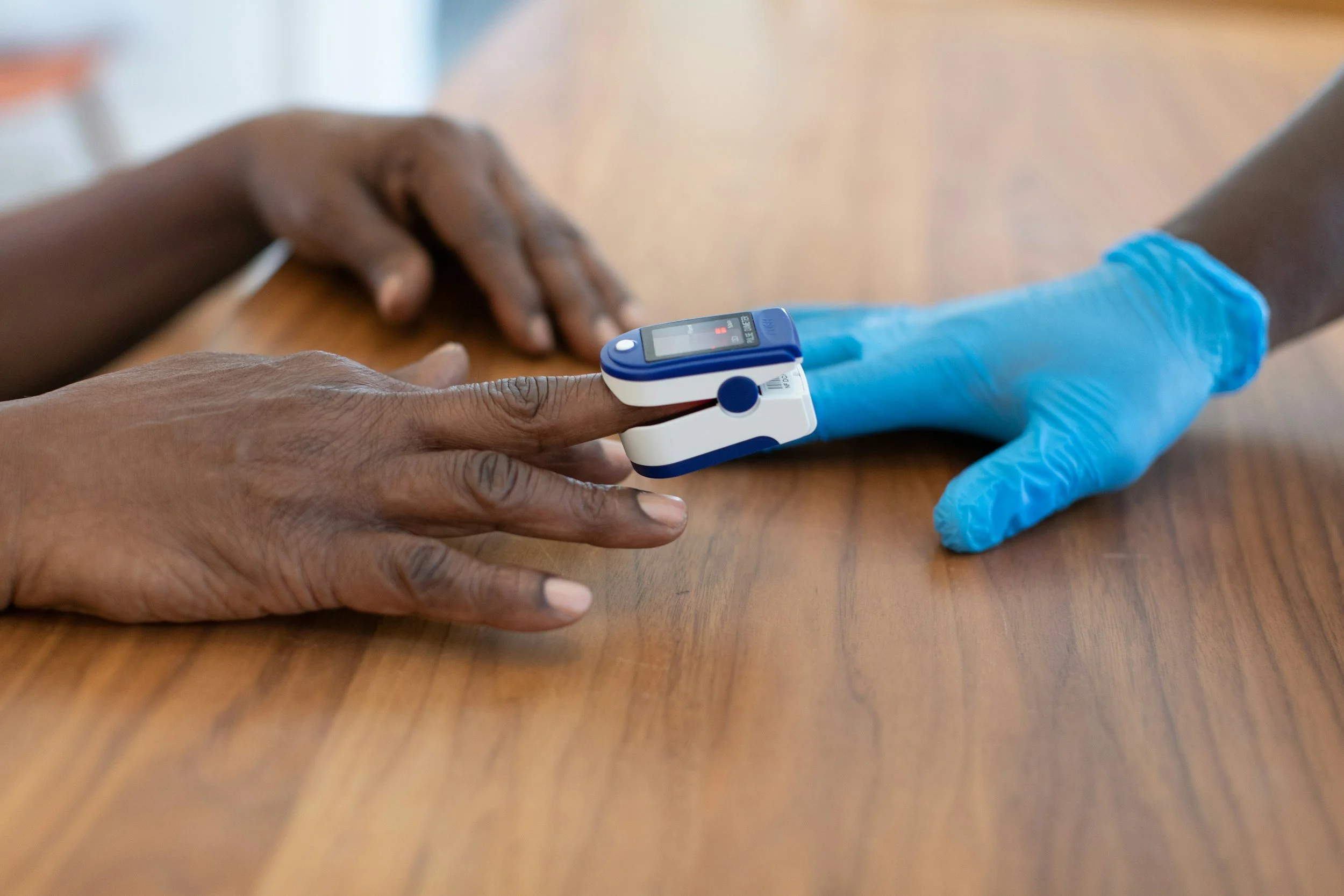
Earlier this July, the Health and Safety Executive did something it had never done before. It stopped an occupational health provider from continuing to deliver health surveillance, having found the service fell well short of what the law requires.
Inspectors found that the surveillance work was being done by people without the right qualifications, training or supervision. This is the work meant to catch the early signs of conditions like occupational asthma, dermatitis and noise-induced hearing loss. Alongside the Prohibition Notice, the HSE also served an Improvement Notice, citing a lack of competent oversight, no proper quality assurance, and no clear way of escalating worrying results back to employers.
Put simply, workers were being checked, but the checks were not good enough to spot problems before they turned into serious, and sometimes permanent, health conditions.
Why this matters more than it might first appear
HSE enforcement against employers happens all the time. Enforcement against the providers that employers rely on to stay compliant is far rarer, so this case marks a shift. The HSE is now looking beyond whether you have occupational health arrangements in place, and asking whether those arrangements are any good.
And that shift matters. Plenty of employers still treat health surveillance as a box to tick: book it, get the certificate, move on. This case is a reminder that a certificate from a provider with no real clinical governance behind it may give you very little protection, legally or morally, if something goes wrong later.
What this means for you as an employer
If you have staff exposed to noise, dust, vibration, hazardous substances or other risks that call for surveillance, it is worth asking your provider a few straight questions:
● Are the people carrying out the surveillance properly qualified, and supervised by a registered clinician?
● Is there a documented process for what happens when a worker's results flag a concern?
● Do you, the employer, actually receive that information in a form you can act on?
● Is there real quality assurance or clinical governance behind the service, or is it just an admin function?
If you are not confident in the answers, now is a good time to review things. The HSE has been clear that employers stay responsible for making sure the occupational health services they buy meet the legal requirements. Outsourcing the activity does not outsource the duty.
The takeaway
Health surveillance exists to catch problems while they can still be prevented. A tick-box version helps no one, and as this case shows, the HSE is now willing to act against providers who get it wrong, not just the employers who unknowingly rely on them.
If you'd like a second opinion on your occupational health arrangements, or you are not sure your surveillance programme is fit for purpose, we are always happy to talk it through.