
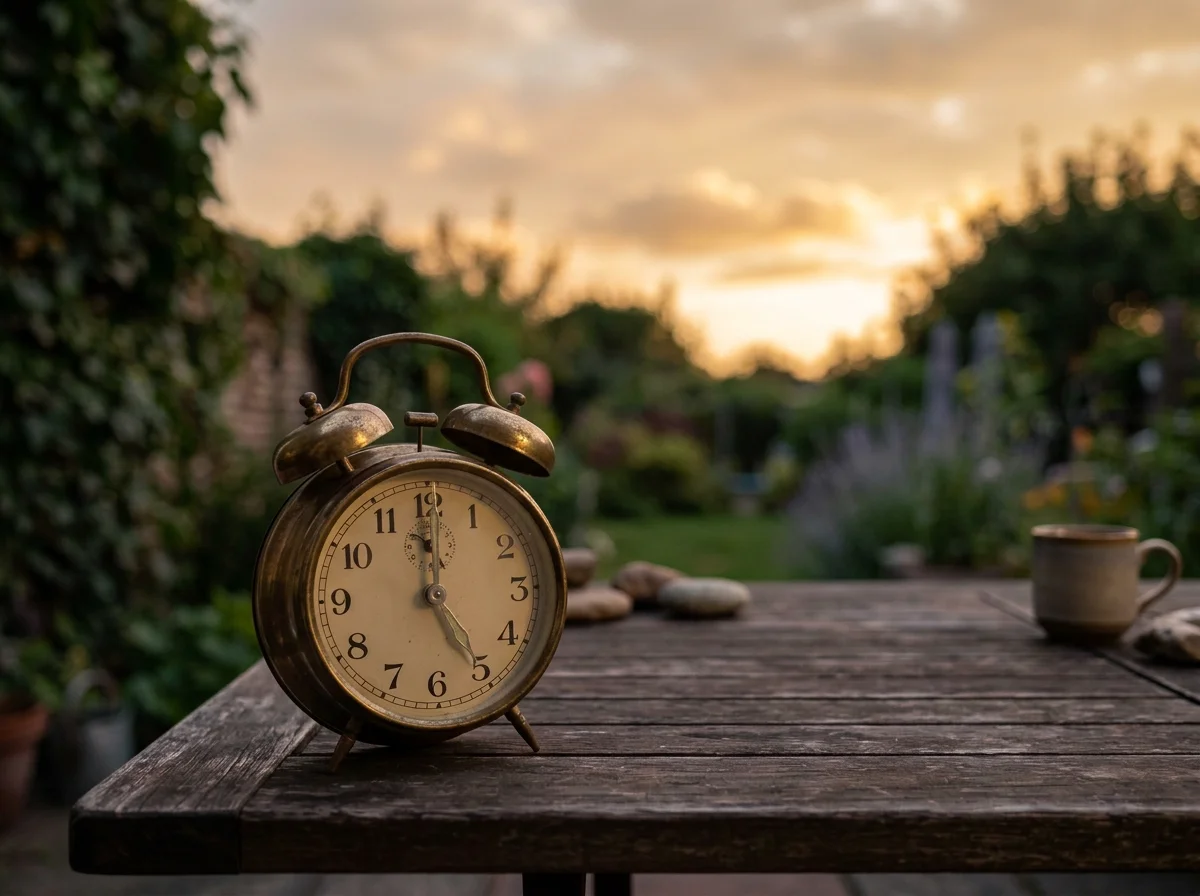
Why the clock change is a health and safety issue
The clocks go back at 2am on Sunday 25 October 2026, returning the UK to Greenwich Mean Time. We all enjoy the extra hour in bed, but almost overnight many people will finish work in the dark. Poor light, slippery surfaces and tired drivers make late autumn one of the busiest times of year for slips, trips and road incidents.
The good news? Most of the fixes are simple, cheap and quick.
1. Check your outdoor lighting now
The Workplace (Health, Safety and Welfare) Regulations 1992 require suitable and sufficient lighting, and that includes car parks, footpaths, loading bays and building entrances. Walk your site at dusk this week and look for:
• Blown bulbs or lights blocked by overgrown hedges
• Dark spots between the building and the car park
• Timers and sensors still set to summer hours
• Steps, kerbs and level changes that disappear in the dark
2. Tackle wet leaves and early frost
Wet leaves are as slippery as ice on paths and ramps. Agree who clears them and how often, and put a winter gritting plan in place before the first frost catches you out. Matting at entrances stops water being walked onto smooth internal floors, a common cause of slip injuries.
3. Review lone working arrangements
Staff who lock up, clean, work late shifts or visit clients alone are more vulnerable after dark. Revisit your lone working risk assessment and make sure:
• There is a clear check-in and check-out system
• Someone knows what to do if a call is missed
• Staff can park close to the entrance in a well-lit spot
• Personal alarms or lone worker apps are charged and actually used
4. Remind drivers about winter driving for work
HSE expects employers to manage work-related road risk just like any other workplace hazard. Darker evenings mean reduced visibility, more glare and more fatigue. Encourage simple vehicle checks (lights, wipers, tyres, screen wash), build realistic journey times into schedules, and make it clear that pulling over when tired is the right call, not a delay.
5. Test your emergency lighting
If the power fails on a dark winter afternoon, emergency lighting becomes critical. BS 5266-1 recommends a brief monthly function test and a full-duration test once a year. Log the results, and fix any faults straight away.
6. Think about wellbeing too
Shorter days affect mood and energy for many people. Encourage breaks outdoors in daylight, keep an eye on fatigue among shift workers, and make sure staff know what wellbeing support is available.
Quick FAQs
When do the clocks go back in 2026? At 2am on Sunday 25 October 2026, when they move back one hour to 1am.
Is outdoor lighting a legal requirement at work? Yes. Employers must provide suitable and sufficient lighting, including on outdoor traffic routes and walkways used by staff.
What is the biggest risk after the clocks change? Slips, trips and road incidents typically rise, driven by poor light, wet surfaces and tiredness.