
Workplace Health in Manufacturing
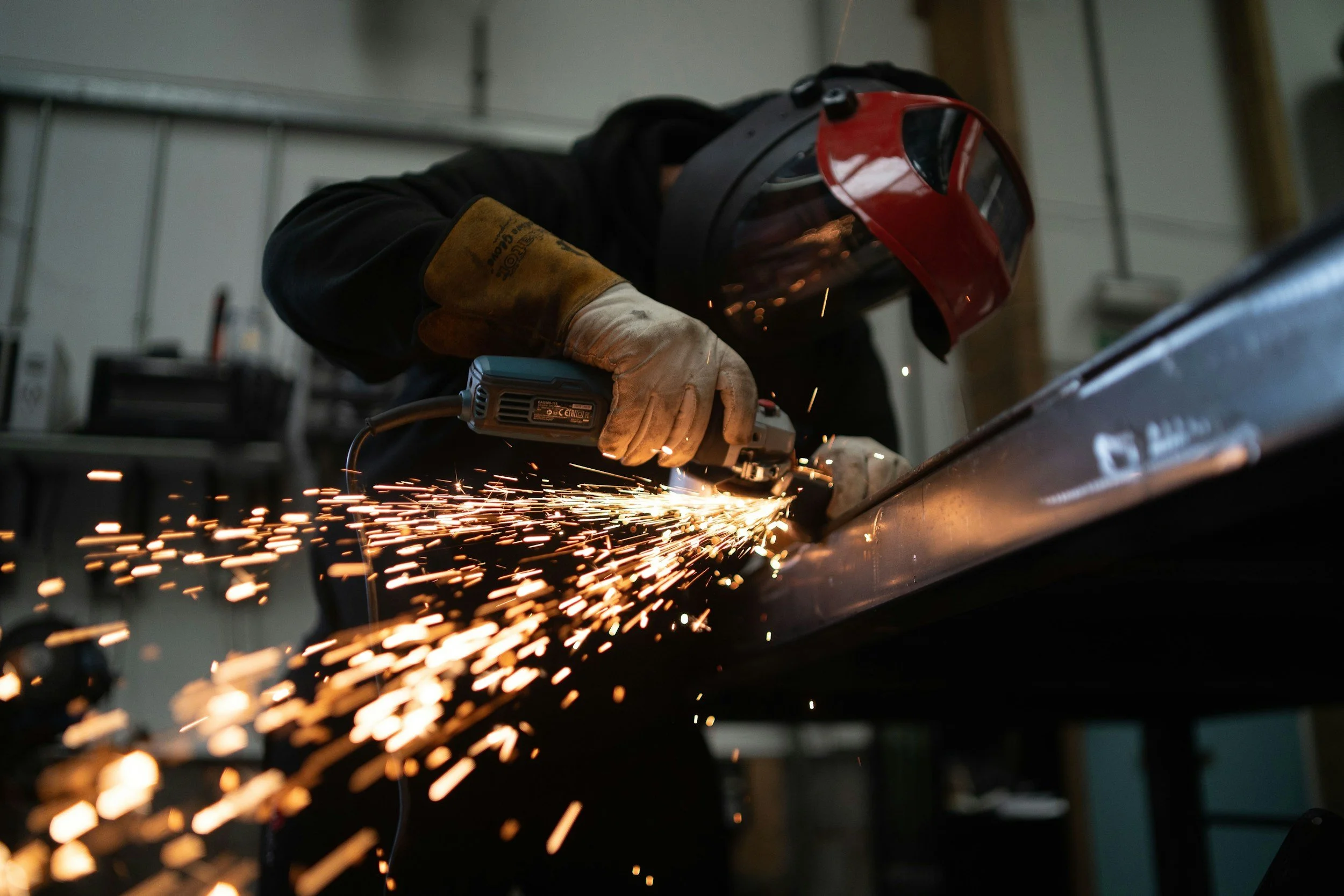
Putting Health and Well‑Being at the Heart of Manufacturing
Let’s face it: manufacturing is tough. Long hours on your feet, repetitive tasks, tight deadlines — it all adds up. And while PPE and machine checks are forefront, the health and wellbeing of people on the shop floor sometimes doesn’t get the attention it deserves. That’s changing fast. Industry leaders and regulators are making it clear: healthy workers are productive workers, and taking care of them isn’t just the right thing to do — it makes good business sense.
Why Health and Wellbeing Can’t Wait
Make UK, the voice of British manufacturing, has raised the alarm: workplaces that don’t focus on health risk fines, legal headaches, and even forced closures. The HSE is keeping a close eye on health as much as safety now, and their latest stats are eye‑opening: around 1.9 million workers reported work-related ill health last year, and stress, anxiety, and musculoskeletal problems are major contributors. That adds up to 30 million lost working days and billions in costs to businesses.
Manufacturing isn’t just physically demanding — it can be mentally exhausting too. Shift work, production targets, and repetitive tasks can lead to burnout if health and wellbeing aren’t actively supported. And the good news? Companies that take wellbeing seriously see results: better staff retention, lower sickness absence, and a happier workforce.
How to Make Wellbeing Part of Your Daily Routine
Here are some practical ways manufacturers are looking after their teams:
1. Make health part of every risk assessment
Don’t just check the machines — check the people. Noise, vibration, repetitive tasks, and even stress levels should all be on your radar.
2. Promote mental health
Encourage open conversations about stress and anxiety. Access to counselling or Employee Assistance Programs (EAPs) can make a huge difference.
3. Train your team
Everyone benefits from a little know-how. From proper lifting techniques to spotting early signs of burnout, training builds a safer, healthier workplace.
4. Keep track of what works
Use simple metrics like absenteeism rates, staff feedback, and retention figures to see what’s making a real difference — and where you can improve.
5. Build a positive culture
Supportive workplaces don’t just happen. Celebrate small wins, check in with your team, and make wellbeing part of everyday conversations.
Bottom Line
Healthy, happy employees aren’t just safer — they’re more engaged, more productive, and more likely to stick around. In an industry that relies on skilled people, investing in their wellbeing isn’t just the right thing to do — it’s a smart business move.
Training a few key staff members in Mental Health First Aid can provide those staff members with the knowledge to spot workers that are potentially suffering and signposting them to places that can offer help.